
Is Your Lawn Ready for Fall? 7 Lawn Care Tips for South Carolina Homeowners
September Lawn Care Tips for South Carolina Lawns
September is a month of transition for South Carolina lawns. After months of hot temperatures and active summer growth, your grass is beginning to prepare for the cooler months ahead.
That doesn't mean it's time to forget about your lawn. In fact, September lawn care in South Carolina can play an important role in keeping your yard healthy as summer comes to an end and fall begins.
At Nature's View Lawnscapes, we help South Carolina homeowners maintain healthy, attractive lawns through professional lawn care and lawn fertilization services. Here are some important lawn-care tasks to keep in mind this September.
1. Keep Mowing Your Lawn
Don't put the mower away just yet!
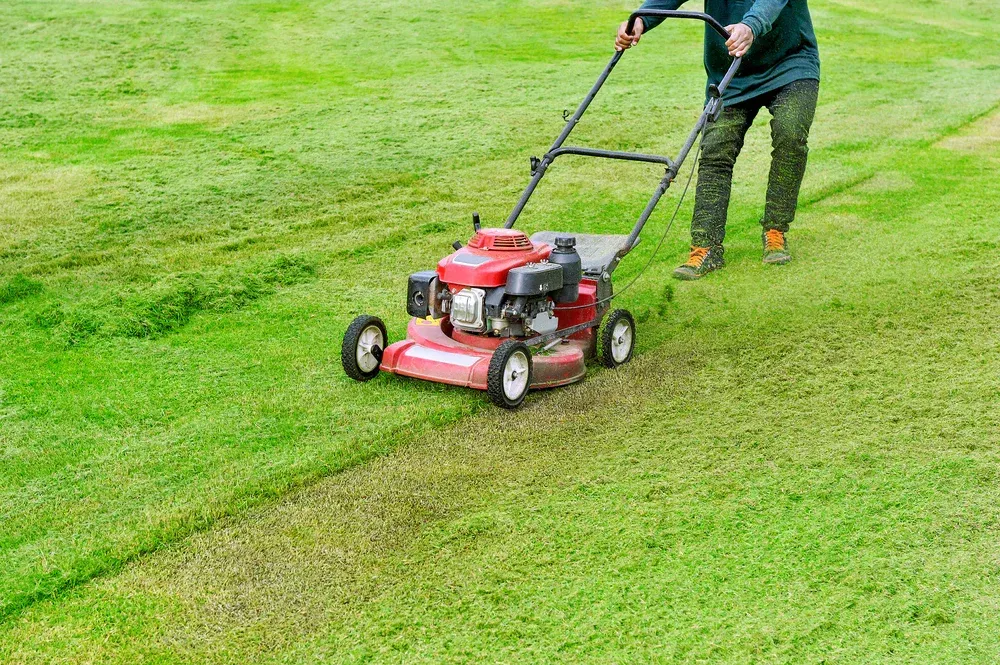
Warm-season grasses such as bermudagrass, centipedegrass, zoysiagrass, and St. Augustinegrass can continue growing while temperatures remain warm. Continue mowing regularly and avoid removing more than one-third of the grass blade at a time.
As temperatures begin to cool, your grass will naturally slow down. Clemson Extension recommends gradually increasing mowing height as nighttime temperatures fall, giving the grass more leaf surface as it prepares for winter dormancy.
Keeping your lawn at the proper height can help maintain a dense turf while reducing stress as the seasons change.
2. Be Careful With Fall Fertilization
More fertilizer isn't always better for your lawn.
Many of the grasses commonly found in South Carolina are warm-season grasses. These grasses naturally begin slowing down as temperatures drop, so applying too much nitrogen late in the growing season can encourage growth at a time when the lawn is preparing for dormancy.
Clemson Extension recommends fertilizing warm-season grasses primarily during their active growing season and generally avoiding nitrogen applications after mid-August, with some additional flexibility along the coast.
Instead of applying fertilizer simply because it's fall, consider having your lawn evaluated and using a soil test to determine what nutrients your lawn actually needs.
The right fertilizer, applied at the right time, is much better than simply applying more fertilizer.
3. Watch for Fall and Winter Weeds
September is an important month for getting ahead of winter weeds.
As temperatures cool, winter annual weeds can begin germinating. Common examples include chickweed, henbit, purple deadnettle, and annual bluegrass.
Clemson Extension recommends timing fall pre-emergent applications based on nighttime temperatures. In many areas of South Carolina, the timing falls between September and early October, although the ideal window varies by region.
Preventing weeds before they appear is often easier than trying to eliminate an established weed problem later.
A healthy, dense lawn also helps. Thick turf reduces the amount of exposed soil where weed seeds can germinate.
4. Don't Forget to Water
Cooler weather doesn't necessarily mean your lawn no longer needs water.
September can still bring periods of hot, dry weather in South Carolina. If your lawn isn't receiving enough rainfall, continue monitoring it for signs of drought stress.
Look for:
- Grass blades taking on a bluish-gray appearance
- Footprints remaining visible after walking across the lawn
- Wilting or curled grass blades
- Dry or cracking soil
If rainfall is insufficient, proper irrigation can help prevent unnecessary stress before the lawn enters dormancy. Clemson Extension notes that lawns generally need about an inch of water per week when rainfall isn't sufficient, although watering requirements vary with conditions and soil type.
5. Look for Thin or Problem Areas
September is also a good time to inspect your lawn after a long South Carolina summer.
Take a walk around your property and look for areas that are:
- Thin or bare
- Discolored
- Heavily affected by weeds
- Holding excess water
- Showing signs of drought stress
- Growing differently from the rest of the lawn
These problem areas can provide useful clues about your lawn's overall health.
Sometimes the problem isn't simply the grass itself. Soil compaction, drainage, watering practices, nutrient deficiencies, shade, and other factors can all contribute to an unhealthy lawn.
6. Know What Type of Grass You Have
One of the most important parts of successful lawn care is understanding your grass type.
Bermudagrass, centipedegrass, St. Augustinegrass, and zoysiagrass are common warm-season turfgrasses in South Carolina, and each has slightly different maintenance requirements. Tall fescue, a cool-season grass also found in the state, follows a very different seasonal schedule.
For example, tall fescue benefits from fall fertilization, while warm-season grasses generally should not receive late-season nitrogen applications.
That's why a lawn-care program should be based on the specific grass growing in your yard rather than following a one-size-fits-all calendar.
7. Start Preparing Your Lawn for Fall
September is all about the transition.
Your lawn has spent the summer dealing with heat, humidity, foot traffic, mowing, and changing moisture conditions. Now is the time to help it transition into the cooler months.
Focus on the basics:
Mow properly.
Keep your grass at an appropriate height and gradually adjust as temperatures cool.
Water when necessary.
Don't let your lawn become severely drought-stressed before temperatures drop.
Get ahead of weeds.
Fall is an important time for preventing winter annual weeds.
Fertilize responsibly.
Don't automatically apply nitrogen. Make fertilizer decisions based on grass type, timing, and soil needs.
Inspect your lawn.
Take note of thin, damaged, or problematic areas that may need attention.
Give Your South Carolina Lawn the Care It Needs
A healthy lawn doesn't happen by accident. It takes proper mowing, watering, nutrition, weed management, and attention throughout the year.
September is an especially good time to take a close look at your lawn and make sure it's heading into the cooler months in good shape.
Whether your lawn needs routine maintenance, fertilization, or a little extra attention after a tough South Carolina summer, Nature's View Lawnscapes is here to help.
Ready to give your lawn some attention?
Contact Nature's View Lawnscapes for professional lawn care and lawn fertilization services in South Carolina.
📞 864-416-5119