
Spring Lawn Care in the Carolinas: What North Carolina Homeowners Should Be Doing Right Now
Spring Lawn Care in the Carolinas: What North Carolina Homeowners Should Be Doing Right Now

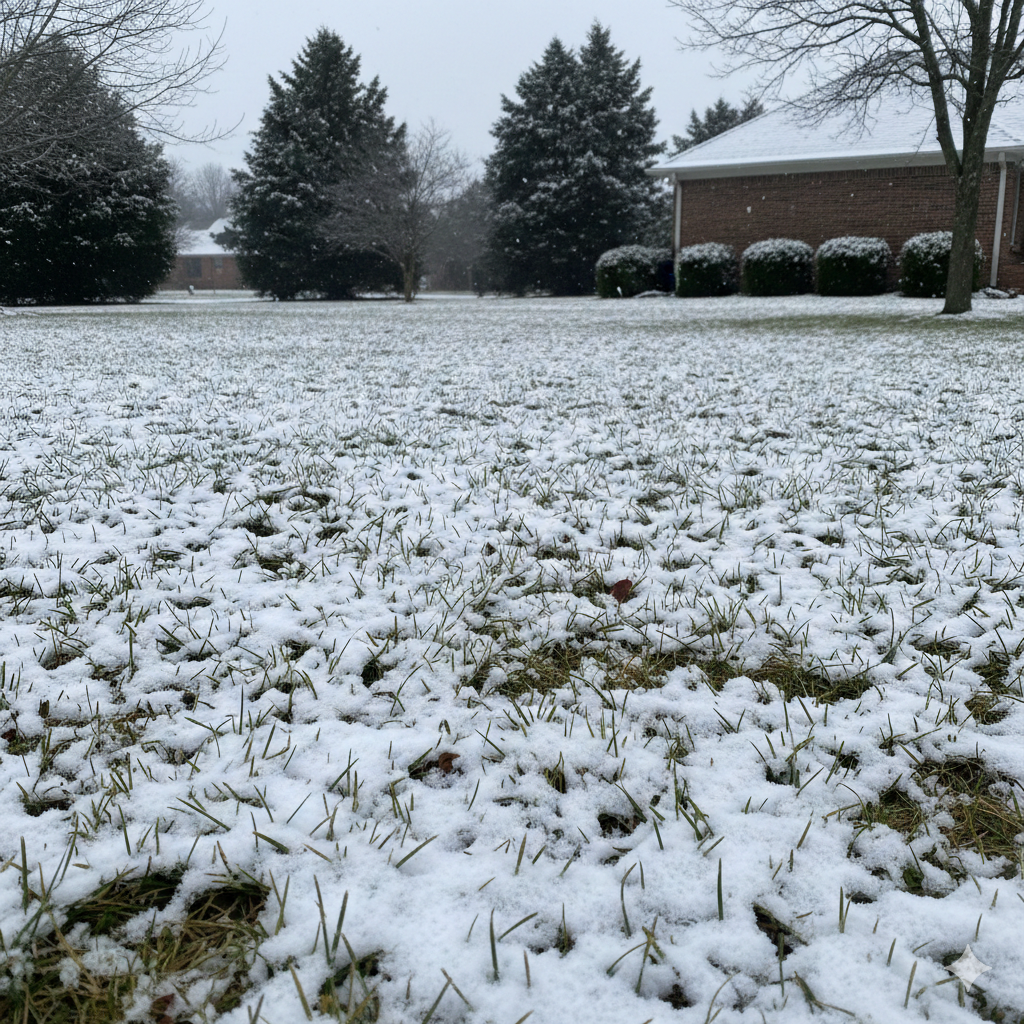
As winter fades and warmer days settle across North Carolina, your lawn is starting to wake up. This time of year is a turning point. What you do now can set the tone for a thick, green, healthy lawn all the way through summer.
At Nature’s View Lawnscapes, we work with homeowners across the Carolinas, and while our home base is in South Carolina, the climate and grass types in North Carolina follow a very similar rhythm. Here’s a practical look at what your lawn needs this season—and how to stay ahead of common problems.
Start with a Clean Slate
Early spring is all about clearing the way for new growth.
Remove leftover leaves, sticks, and debris that built up over winter. This helps sunlight reach the soil and prevents mold or disease from taking hold. If your lawn feels matted or patchy, a light raking can help loosen things up and encourage airflow.
Timing Your First Fertilization
Fertilization is one of the most important steps, but timing matters.
For common North Carolina grasses like Bermuda, Zoysia, and Fescue, you don’t want to rush. Applying fertilizer too early can push weak growth before the lawn is ready.
A good rule of thumb:
- Warm-season grasses: Fertilize once the lawn is fully greened up
- Cool-season grasses: Light feeding in early spring, heavier feeding in fall
Using the right blend ensures your lawn gets the nutrients it needs without overstimulation.
Weed Control: Get Ahead Early
Spring weeds can take over quickly if left unchecked.
Pre-emergent treatments help stop weeds like crabgrass before they even sprout. Once they’re visible, it’s already a tougher fight. Pair that with targeted post-emergent treatments if needed, and you’ll keep your lawn looking clean and uniform.
Mowing Matters More Than You Think
Your first few mows of the season set the standard.
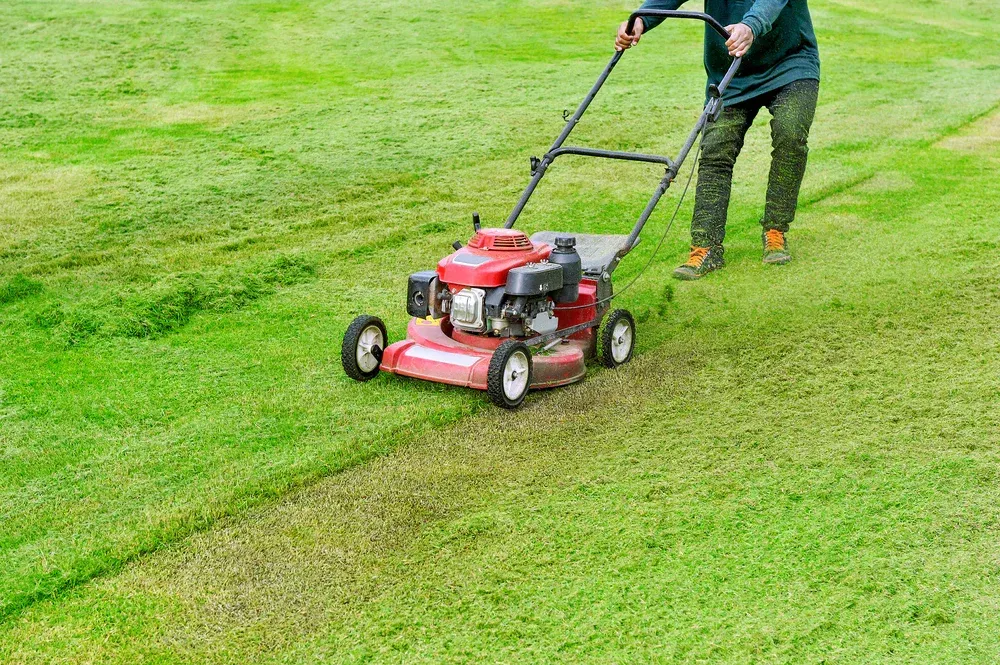
Avoid cutting too short. Scalping your lawn can stress the grass and open the door for weeds. Instead:
- Keep blades sharp
- Mow regularly, but never remove more than one-third of the grass height
- Adjust height based on your grass type
Consistent mowing encourages thicker growth, which naturally crowds out weeds.
Watch Your Watering Habits
Spring usually brings some rain, but don’t rely on it completely.
Deep, infrequent watering is better than shallow, frequent watering. This encourages deeper root growth, making your lawn more resilient when summer heat kicks in.
Early morning is the best time to water to reduce evaporation and disease risk.
Soil Health Is the Foundation
If your lawn struggled last year, the issue might be below the surface.
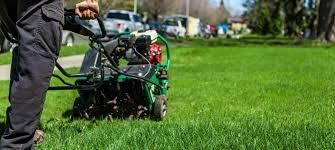
Compacted soil, poor nutrients, or imbalanced pH can all limit growth. Aeration and soil testing can make a noticeable difference, especially in high-traffic areas.
When to Call in the Pros
Lawn care can get technical fast, especially when you’re dealing with fertilization schedules, weed control timing, and soil conditions.
That’s where we come in.
At Nature’s View Lawnscapes, we focus on lawn care and fertilization programs tailored to the conditions of the Carolinas. Whether you’re in South Carolina or just across the border in North Carolina, we understand the climate, the grass types, and what it takes to get results.
📞 Call us at
864-416-5119